About Punia & Marx

Building In The Boroughs Since 1931

Our Story

Building in the Boroughs Since 1931
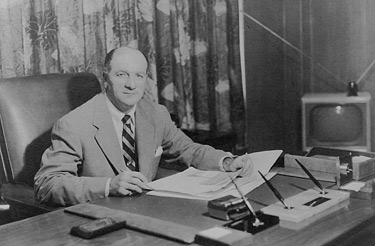
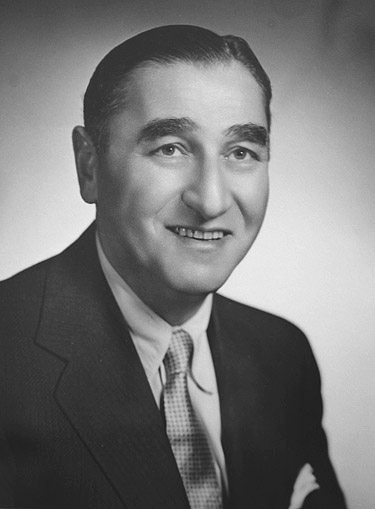
The legacy of Punia and Marx was born from adversity. During the darkest days of the Great Depression, Charles Punia — then working as a mortgage broker — recognized an unconventional opportunity. Leveraging his deep network of banking contacts, he began acquiring foreclosed properties across New York City, bringing delinquent mortgages current and establishing himself as a force in the city’s real estate landscape.

What set Charles apart was not merely his business instincts, but his character. He made his buildings affordable during the bleakest of economic times, famously telling tenants, “Pay me what you can, when you can.” Those words became the foundation of a reputation built on integrity, generosity, and a handshake worth its weight in gold.

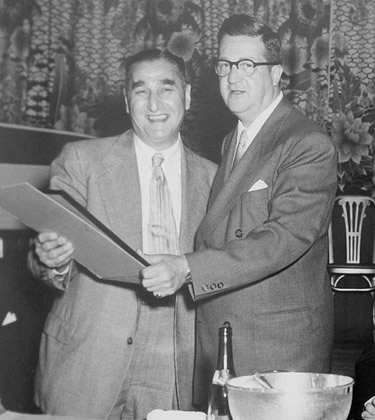
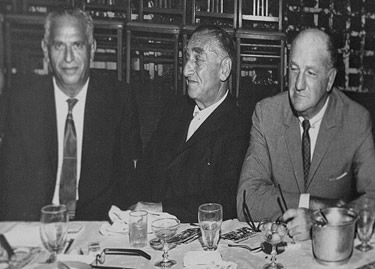
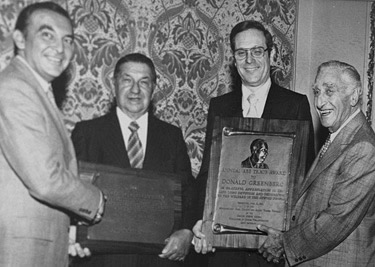
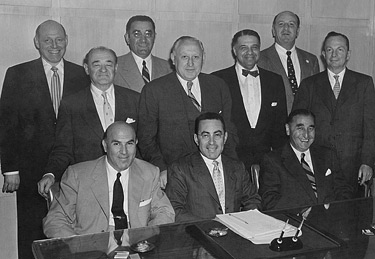
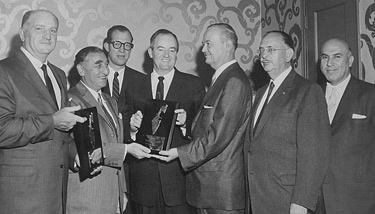
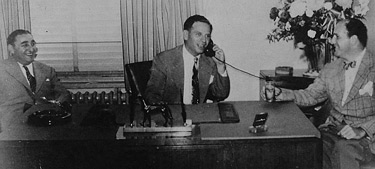
Alongside his lifelong investment partner, William Marx, Charles made headlines throughout New York City — including ”$4 Million Suites Started in Queens” (NY Times, 1950), “Brooklyn Realty Men Give $200,000” (NY Times, 1951), and “Charles Punia Awarded at 1960 Brooklyn Real Estate Board” (NY Times, 1960). Together, they were known as the “Romance Partnership” — a duo whose combined vision reshaped the skylines of all five boroughs, pioneering modern approaches to building, brokering, financing, and the co-oping of properties.
The Next Generation
Under their father’s guidance, Leonard and Herbert Punia completed their first 200-unit apartment complex in 1946 on Ocean Avenue in Brooklyn. By 1960, the Punias had begun expanding into New Jersey, and over the next 35 years, the Punia Company grew beyond all expectations — extending across New York State, New Jersey, and Pennsylvania.

A landmark milestone came in 1997, when First Industrial Realty Trust acquired 175 acres and 1.75 million square feet of 48 light industrial, warehouse, and research & development buildings from the company. Rather than slow them down, the transaction only sharpened the Punias’ focus. With the third generation firmly in place, Herbert and Leonard maintained a powerful presence throughout the tri-state area.

Today, the Punia Company and its affiliated entities own more than 5,000 apartment units across New Jersey, New York, and Pennsylvania, along with over one million square feet of commercial space. With a committed workforce and an energetic fourth generation now entering the business, the company continues to honor the vision Charles Punia first set in motion nearly a century ago.
William Marx — A Partner for the Ages
William Marx was born in March of 1900, the eldest of eight children in a Brooklyn real estate family. Times were hard, but William learned the trade at the side of his father, Barnet Marx.

Around 1920, William and his father were among the first group of individuals licensed for Real Estate Brokerage and Sales in New York — grandfathered in under the state’s modern Real Estate code. Without an office of their own, they conducted business standing in front of the Title Guarantee and Trust Company. They soon established a permanent home at 16 Court Street, where they operated with distinction for more than 50 years.

It was there that William and his father first encountered a young builder named Charles Punia, who was looking to sell a piece of property. When asked about his commission expectations, Charles simply replied: “Just sell it and give me a box of cigars.” Three men shook hands — and history was made.
A Legacy of Distinction
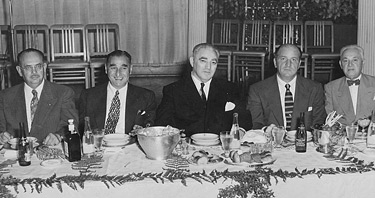
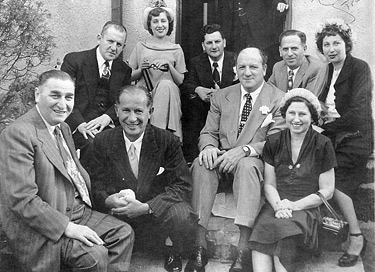
Throughout their careers, Bill and Charlie accumulated an extraordinary list of commendations, awards, and tribute dinners — recognition not only for their business achievements, but for their deep commitment to philanthropy, civic responsibility, and the betterment of their communities. With their devoted wives by their sides, they remained a united force for positive action throughout their lifetimes.

Charles Punia laid the groundwork for what has been, what is now, and what is yet to come. He passed his knowledge, his values, and his vision to his sons and grandsons — ensuring that the spirit of those early Depression-era handshakes lives on in every property the Punia Company touches today.